
Virtual Client in DSD: Taking Digital Smile Design to the Next Level
Today, clinics create a perfect digital twin for every virtual client. Specifically, specialists achieve this comprehensive model by combining a 3D facial scanner, intraoral data, and CBCT.
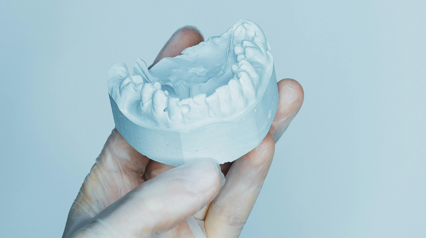
Today, the virtual client concept completely revolutionizes aesthetic dentistry. Instead of limiting new smile designs to isolated work with plaster models, modern clinics focus entirely on creating a comprehensive and dynamic digital twin of the patient.
Furthermore, by using specialized Digital Smile Design (DSD) software, specialists overlay multi-layered data into a single coordinate system. Consequently, this advanced process allows dental teams to create a dynamic restoration that fully aligns with individual facial symmetry and real-time facial expressions.
The Three Pillars of Creating a Virtual Client
To generate an accurate digital twin, laboratories integrate three main streams of information. Moreover, their precise calibration entirely eliminates subjective planning errors. As a result, this active methodology perfectly meets the latest global standards for digital CAD/CAM modeling.
1 3D Facial Scanner
First, this device captures a photorealistic copy of the face. Significantly, the scan provides essential information about soft tissues and natural asymmetry, thus becoming the framework for our virtual client’s future smile.
2 Intraoral Scan
Second, the scanner ensures micron-level accuracy of the clinical crowns and gums. Ultimately, this captures the robust digital foundation upon which the dental technician models tooth morphology, contacts, and proper occlusion.
3 CBCT (3D X-ray)
Third, this technology reveals invisible anatomical structures. Specifically, through 3D computed tomography, the team clearly analyzes bone volume, precise root positions, and the overall condition of the joints.
The Power of the “Virtual Client” Concept in Motion
However, the true technological leap occurs when specialists animate these static layers. By adding video protocols to the software, the team creates a fully functional virtual client. Therefore, the dental technician no longer works on a frozen frame.
In addition, experts design the new teeth to interact perfectly with the lips, carefully accounting for the patient’s facial expressions during speech, laughter, or rest. Ultimately, this dynamic approach ensures that dentists test the aesthetics in a virtual environment before they manufacture the actual restorations.

Key Benefits of DSD for Every Virtual Client
Undoubtedly, integrating all data into a unified software brings invaluable benefits to the entire team.
- Absolute Facial Harmony: Because the true horizontal plane of the face directly guides the design, this approach guarantees natural symmetry.
- Minimally Invasive Treatment: Furthermore, CBCT data allows dentists to plan preparations with minimal reduction of healthy tooth structure.
- Emotional Trial (Mock-up): Most importantly, every virtual client can see and try their new smile directly in the mouth, since dentists apply a temporary material before actual procedures begin.
- Flawless Communication: Finally, the dentist, dental technician, and patient all speak the exact same visual language based entirely on objective measurements.
Ready for your digital transformation?
Share your opinion with us!
Help us improve our digital services by filling out our short survey. Indeed, it takes less than 2 minutes.
Go to Survey 📋Conclusion
In conclusion, the evolution of smile design and the virtual client concept set a new standard in modern dentistry. Indeed, the symbiosis between the 3D facial scanner, intraoral scan, and CBCT provides dental technicians with an excellent toolkit, ultimately enabling them to achieve predictable and remarkable results.